Physical Address
124 City Road, London EC1V 2NX
Physical Address
124 City Road, London EC1V 2NX
If you are new to affiliate marketing, one of the first questions you may ask is:
How much do affiliate links actually pay?
It is a fair question.
Understanding how affiliate links pay can help you set realistic expectations before you start promoting products.
Unfortunately, it is also a question that often gets surrounded by hype.
Some people make affiliate marketing sound like instant income. Others make it sound impossible unless you already have a huge audience.
The truth is somewhere in the middle.
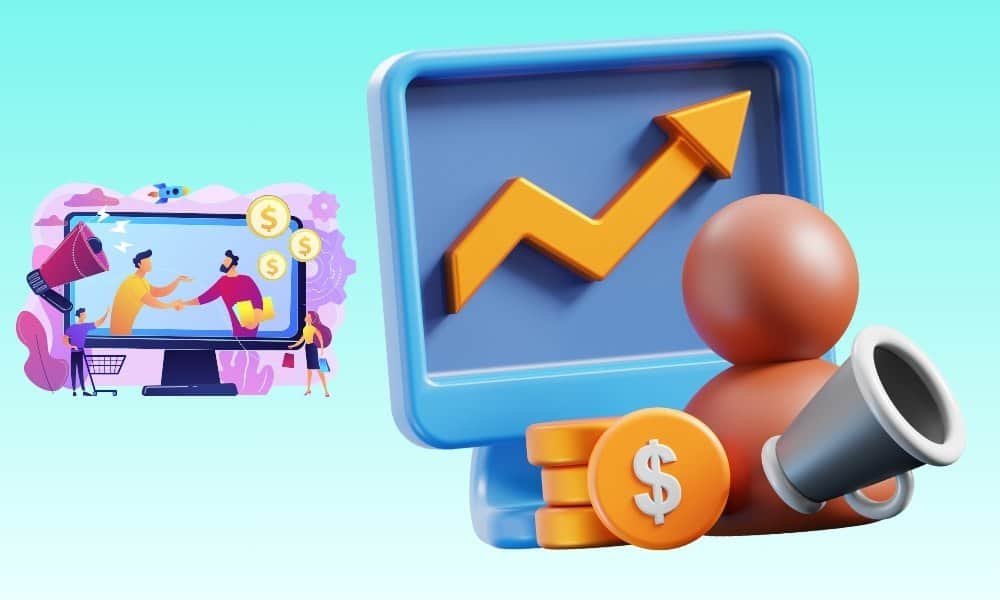
Affiliate links can pay anything from a few pennies to hundreds of pounds or dollars per sale, depending on the product, the commission structure, the audience, and the trust behind the recommendation.
At MMO Essentials, I prefer to look at this in a calmer way.
✅ No fake income promises
✅ No “quit your job overnight” claims
✅ No pretending every link turns into money
✅ Just a beginner-friendly look at how affiliate links work
You can read more about the MMO Essentials approach on my About page.
Affiliate links pay when someone takes a specific action through your unique tracking link.
That action depends on the affiliate program.
The most common types are:
This is where you earn a commission when someone buys through your affiliate link.
For example:
A product costs £100.
The affiliate commission is 30%.
You earn £30 if someone buys through your link.
This is one of the most common models for digital products, software, courses, and online tools.
This is where you earn a set amount when someone signs up, starts a free trial, fills in a form, or becomes a qualified lead.
For example:
Someone signs up for a free trial through your link.
The company pays you £5, £10, or another set amount.
Some software tools pay recurring commissions.
That means if someone signs up through your link and keeps paying monthly, you may continue earning a commission while they remain a customer.
This is why tools such as email platforms, funnel builders, hosting, and software services can be popular with affiliate marketers.
This is where it is important to stay realistic.
Affiliate earnings depend on things like:
✅ the product price
✅ the commission rate
✅ how much traffic you get
✅ how helpful your content is
✅ how well the product fits your audience
✅ how much trust you have built
A beginner with a new blog, small audience, or no email list may earn nothing at first.
That is normal.
The early stage is usually about learning, creating content, understanding your audience, and testing what fits.
Over time, earnings can grow if you stay consistent and improve the system around your affiliate links.
But the link itself is not the business.
The trust behind the link is what matters.
Not all affiliate links are equal.
Some products pay small commissions because the product is low-cost. Others pay more because the product is digital, subscription-based, or higher value.
For example:
✅ a low-cost product may pay a small one-off commission
✅ a digital course may pay a higher percentage
✅ software may pay recurring commissions
✅ a free trial may pay a lead commission
However, higher commission does not always mean better.
A product that pays well but does not help your audience can damage trust.
A product that pays less but genuinely solves a beginner problem may be a much better fit long term.
✨ Pro Tip: Do not choose affiliate products based only on commission. Choose them based on usefulness, fit, and trust.
One of the biggest mistakes beginners make is asking:
Which affiliate program pays the most?
A better question is:
What does my audience need help with, and which product genuinely supports that?
That shift matters.
If you are helping beginners build simple online systems, then products connected to email marketing, lead magnets, landing pages, content creation, or beginner-friendly business tools may fit naturally.
For example, Systeme.io may fit content about email lists, landing pages, and simple online systems.
LeadCreator may fit content about planning and creating beginner-friendly lead magnets.
The tool should support the lesson.
That is how affiliate links become helpful instead of pushy.
Some links in this post may be affiliate links. That means I may earn a commission if you choose to buy through them, at no extra cost to you.
I only aim to mention tools, products, or resources that fit the beginner-friendly systems I am learning, building, testing, or genuinely believe are relevant to the topic.
If you want affiliate links to work better, focus on the foundation around them.
People search for answers before they trust recommendations.
Helpful blog posts, tutorials, comparisons, checklists, and walkthroughs can all build trust before someone clicks.
Do not promote something just because it pays well.
Ask whether it solves a real problem, whether you can explain it clearly, and whether it fits your audience.
Many people will not buy the first time they see a link.
An email list gives you a way to follow up, share more helpful content, and build a relationship over time.
Pay attention to which content gets clicks, which links perform, and which topics your audience responds to.
You do not need advanced analytics at the beginning.
Just start noticing patterns.
At MMO Essentials, the approach is:
Start It with one clear affiliate path.
Master It by learning how the product, content, and audience fit together.
Scale It only when the foundation is working.
Do not try to scale confusion.
Build the simple version first. Then improve it.
If you are still building the basics, you may also find my guide on How to Start Affiliate Marketing the Right Way: Build Trust Before You Promote
🚫 Chasing the highest commission first
🚫 Promoting products you do not understand
🚫 Adding links before creating value
🚫 Expecting instant income
🚫 Ignoring email list building
🚫 Giving up before the foundation has had time to work
Affiliate marketing takes time because trust takes time.
Simple is where you start.
Affiliate links can pay in different ways.
Some pay per sale.
Some pay per lead.
Some pay recurring commissions.
But the real question is not just how much a link pays.
The better question is:
Have I built enough trust for this recommendation to make sense?
That is where affiliate marketing becomes more stable.
You help first.
You recommend carefully.
You build the relationship.
You improve over time.
That is how affiliate links can become part of a real online business foundation.
If you want to understand affiliate marketing without hype, confusing jargon, or unrealistic income promises, download my free Affiliate Marketing Foundations workbook.
Inside, you will find a simple foundation map, beginner-friendly steps, a product evaluation worksheet, a trust builder checklist, and a 7-day build plan.
It is designed to help you build trust before you build income.