Physical Address
124 City Road, London EC1V 2NX
Physical Address
124 City Road, London EC1V 2NX
If you are starting to build an email list, you will probably hear people talk about an email sequence.
At first, it can sound a bit technical.
But the simple version is this:
An email sequence is a set of emails that are sent in a planned order.
Instead of writing every email manually each time someone joins your list, you can create a short series of helpful emails that guide them through the next steps.
At MMO Essentials, I like to think of an email sequence as a friendly path.
✅ Someone joins your list
✅ They receive what they asked for
✅ You welcome them properly
✅ You help them understand the topic
✅ You guide them towards the next useful step
It is not about blasting people with random messages.
It is about making the follow-up feel clear, helpful, and connected.
An email sequence is a pre-written series of emails that are sent automatically after someone takes a specific action, such as joining your email list, downloading a workbook, signing up for a free guide, or registering for a training.
A simple email sequence might look like this:
Email 1: Deliver the free resource
Email 2: Welcome the reader
Email 3: Explain the first important idea
Email 4: Help them avoid a common mistake
Email 5: Share the next simple step
That is the basic idea.
The emails are written once, then sent in order when someone joins that specific journey.
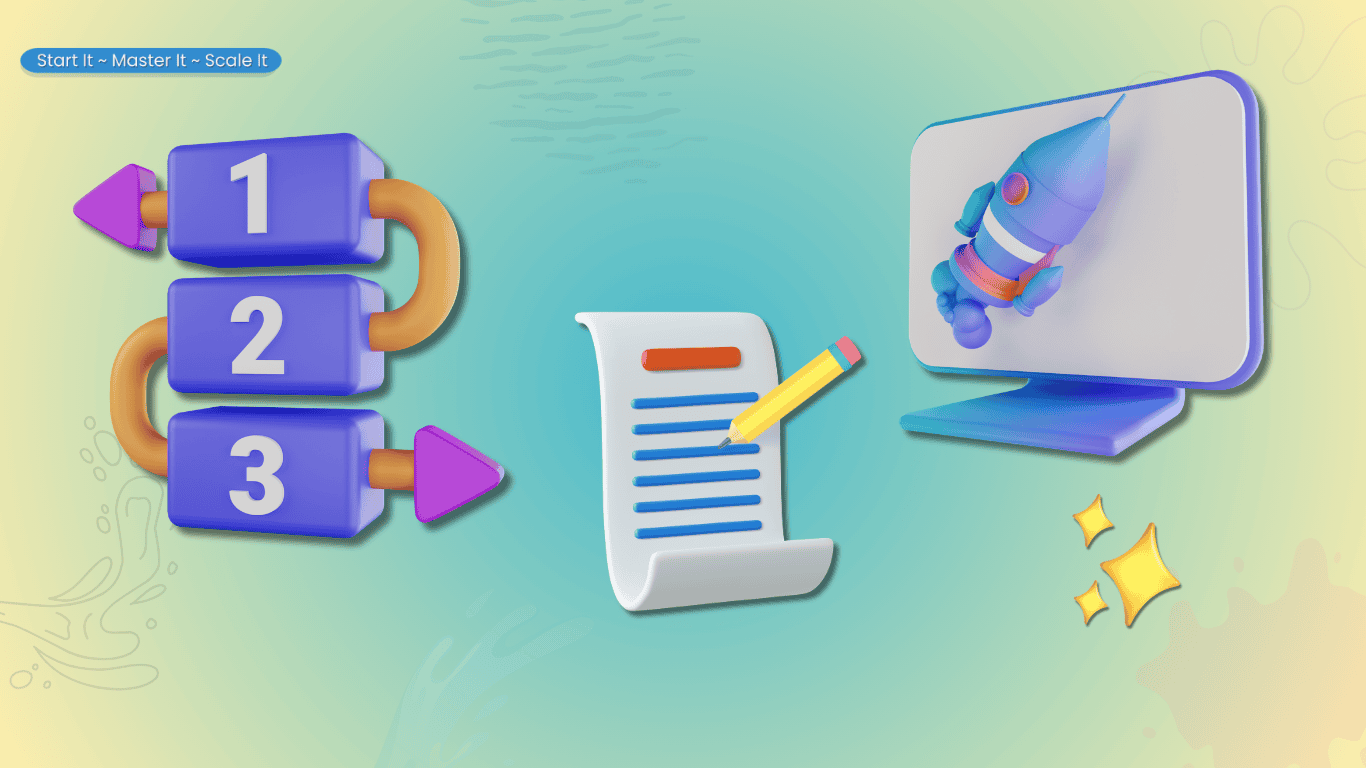
When you are new to online business, it is easy to think email marketing means constantly writing new emails from scratch.
But an email sequence gives you a simple structure.
It helps you avoid that “what do I send now?” feeling.
A good beginner email sequence can help you:
✅ welcome new subscribers
✅ deliver free workbooks or guides
✅ explain beginner terms
✅ build trust over time
✅ answer common questions
✅ guide people towards helpful content
✅ introduce relevant tools or offers naturally
This is especially useful if you are building around lead magnets.
If someone downloads a free workbook, you do not want the relationship to end there.
The email sequence helps continue the journey.
An email sequence should not feel like a random pile of messages.
Each email should have a purpose.
For example, if someone downloads an Email Foundations workbook, the sequence might help them understand:
✅ why email lists matter
✅ what a lead magnet does
✅ what happens after someone subscribes
✅ how welcome emails build trust
✅ how to keep the first system simple
Each email gently builds on the last one.
That is what makes it a sequence.
The reader is not just receiving disconnected tips. They are being guided through a small learning path.
Here is a beginner-friendly example:
This email delivers the resource and tells the reader where to start.
The main job is clarity.
No long story needed.
Just welcome them, give them the link, and let them know what happens next.
This email explains why the topic is worth paying attention to.
For example, if the topic is email list building, you might explain why email helps you stay connected beyond one blog visit or social post.
This email gives the reader one small action.
Not ten things.
One thing.
That could be writing an audience sentence, choosing a lead magnet idea, or planning a first welcome email.
This email helps them avoid something that often causes overwhelm.
For example:
❌ trying to build a huge funnel too early
❌ creating a lead magnet that is too broad
❌ sending only promotional emails
❌ never emailing after the first download
This email points them towards the next helpful step.
That might be another blog post, another workbook, a simple tool, or a beginner-friendly recommendation.
The point is to keep the journey moving without pressure.
A good sequence should feel useful.
It should answer the question:
What does this person need to understand next?
That one question can keep your emails grounded.
This is where beginners often get confused.
An email sequence is usually planned in advance and sent automatically in a set order.
A newsletter or broadcast is usually sent at a specific time to your list.
Here is the simple difference:
Email sequence: sent automatically based on when someone joins
Newsletter: sent manually or scheduled to your wider list
For example:
If someone downloads your free guide today, they might receive: Email 1 today, Email 2 tomorrow, and Email 3 two days later.
That is a sequence.
But if you send everyone on your list a weekly update about your newest blog post, that is more like a newsletter or broadcast.
Both are useful.
They just do different jobs.
Your first email sequence does not need to be long.
For beginners, 3–7 emails is usually enough.
A simple structure could be:
✅ Email 1: deliver the resource
✅ Email 2: welcome and explain the journey
✅ Email 3: teach one core idea
✅ Email 4: handle one common mistake
✅ Email 5: share the next step
If the topic needs more support, you can extend it later.
But do not start by trying to write a 30-email sequence.
Start with something you can actually finish.
Then improve it once people begin going through it.
To send an email sequence, you usually need an email marketing tool that can handle campaigns or automations.
For MMO Essentials, I use Systeme.io for campaigns, tags, workflows, and simple follow-up paths. That lets me connect a workbook download to the right email sequence without manually sending each message.
Some tool links I share may be affiliate links. That means I may earn a commission if you choose to buy through them, at no extra cost to you. I only include tool mentions where they support the beginner-friendly system being explained.
The easiest way to plan your first sequence is to ask:
What does my subscriber need after they download this?
Then build around that.
You could use this simple planning structure:
✅ What did they ask for?
✅ What do they need to understand first?
✅ What mistake might they make?
✅ What small action would help them?
✅ What should they read, watch, or do next?
That is enough to shape a helpful sequence.
You do not need fancy copywriting.
You need clear guidance.
At MMO Essentials, my method is:
Start It with one simple sequence.
Master It by improving the emails as you learn what readers need.
Scale It only when the journey is clear and useful.
Do not automate confusion.
Create a helpful path first.
Then make it smoother.
🚫 Writing too many emails before understanding the goal
Start with the purpose of the sequence first.
🚫 Making every email a promotion
Build trust before asking people to buy or click.
🚫 Teaching too much in one message
One email should have one main idea.
🚫 Forgetting the free resource
Your sequence should connect back to what the person downloaded.
🚫 Sounding robotic
Even automated emails should feel human, warm, and useful.
So, what is an email sequence?
It is a planned set of emails that helps someone move from one step to the next.
It can deliver a free resource, welcome a new subscriber, explain a topic, build trust, and guide people towards the next useful action.
You do not need a perfect sequence to begin.
You need a simple one.
Start with the first few emails.
Make them helpful.
Then improve them as you learn.
That is how email sequences become less overwhelming and more useful — for you and for the reader.
If you are still learning how email lists, lead magnets, and welcome emails fit together, start with the main guide here:
👉 How to Build an Email List as a Beginner Without Tech Overwhelm
You may also find these beginner guides helpful:
👉 What Is an Email List? A Beginner-Friendly Explanation
👉 What Is a Lead Magnet? A Simple Guide for Beginners
👉 What Happens After Someone Joins Your Email List?
And if you want a workbook to help you plan your first simple email foundation, download The Email Foundation Starter Guide.
Inside, you will find the simple email foundation map, lead magnet planning prompts, a sign-up path planner, welcome email planner, and 7-day starter action plan.
👉 Email Foundation Starter Guide
If you are new to MMO Essentials, you can read more about the beginner-friendly approach on my About page.

[…] Lead Magnet? A Simple Guide for Beginners👉 What Happens After Someone Joins Your Email List?👉 What Is an Email Sequence? A Beginner-Friendly Guide👉Broadcast vs Email Sequence: What Is the […]