Physical Address
124 City Road, London EC1V 2NX
Physical Address
124 City Road, London EC1V 2NX
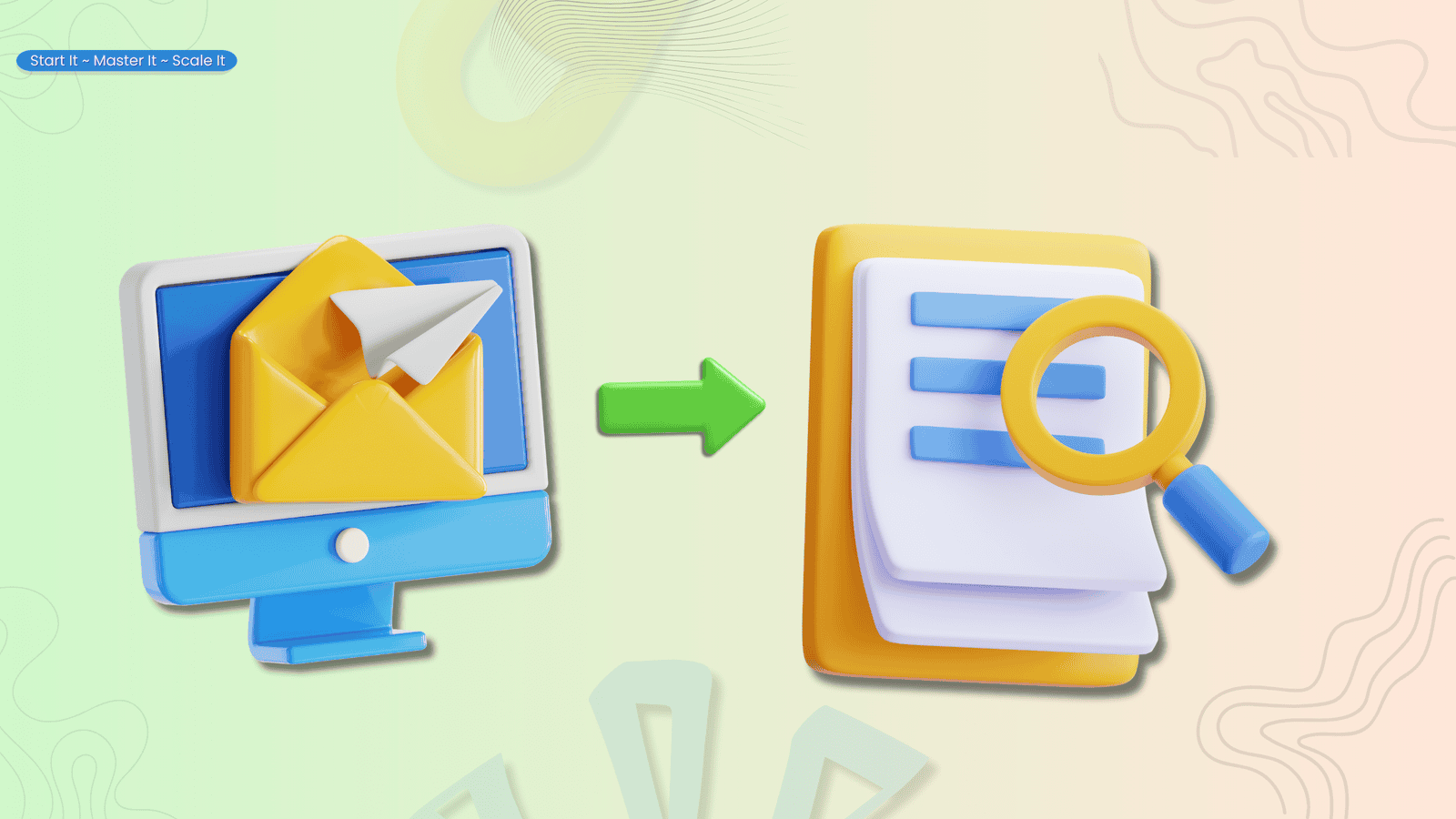
Getting someone to join your email list can feel like a big milestone.
And it is.
But it is not the finish line.
It is the beginning of the relationship.
When someone joins your email list, they are not saying:
“Please sell to me immediately.”
They are usually saying:
“I am interested in this topic, and I would like the thing you promised me.”
That is why what happens next matters.
At MMO Essentials, I like to keep this simple and beginner-friendly.
✅ Deliver what they asked for
✅ Help them feel welcome
✅ Explain what to expect
✅ Build trust before promotion
✅ Keep the next step clear
If you are new here, you can read more about the MMO Essentials approach and why I created this site on my About page.
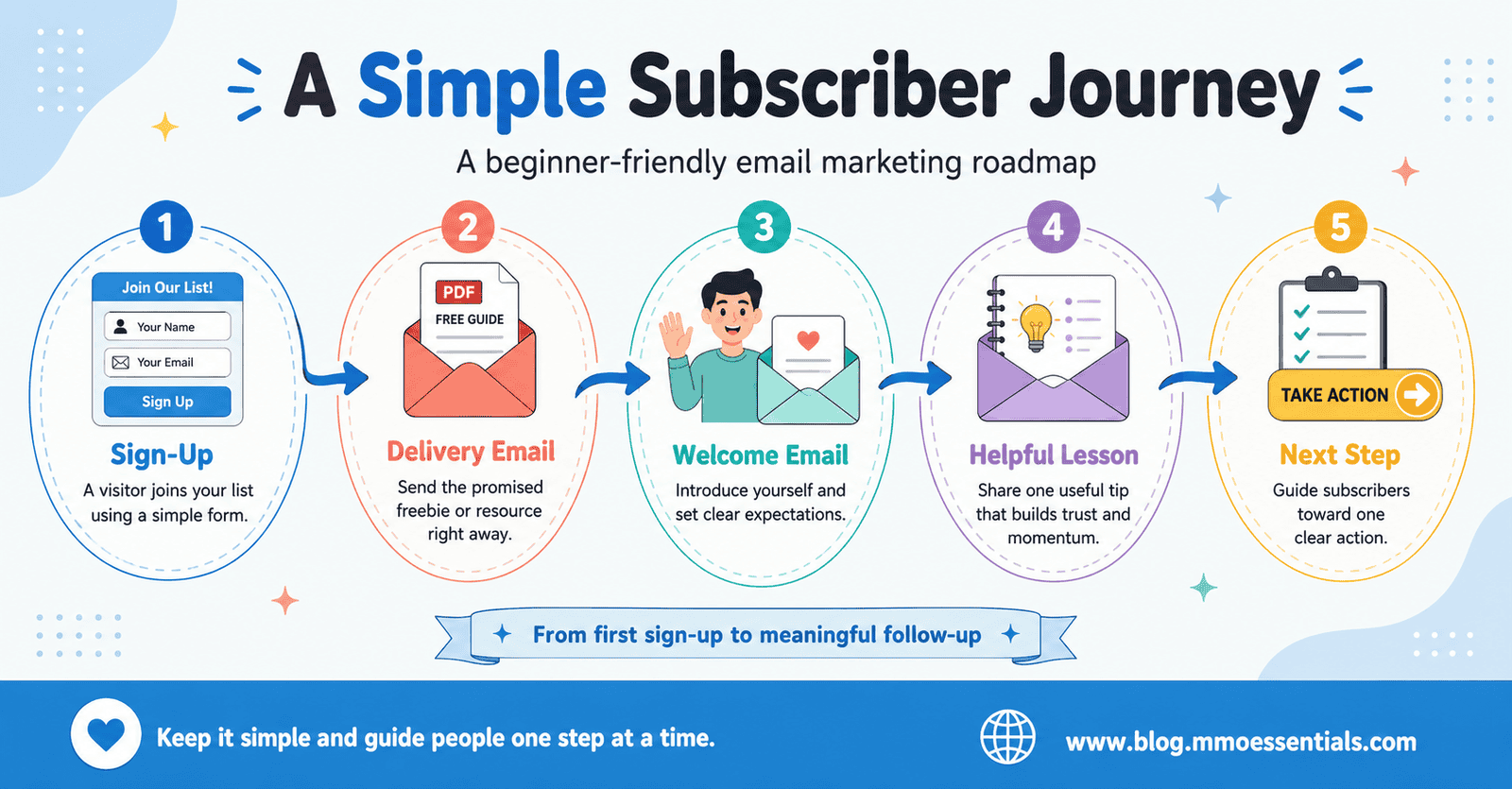
After someone joins your email list, they should usually receive:
✅ a delivery email with the free resource
✅ a short welcome message
✅ a few helpful follow-up emails
✅ simple guidance connected to the topic
✅ a clear idea of what to expect from you next
That is the basic path.
Not complicated.
Just respectful, useful, and clear.
The goal is not to overwhelm them with everything you know.
The goal is to help them feel they made a good decision by joining your list.
The first email should do the obvious thing first:
Deliver what they requested.
If someone signed up for a guide, checklist, workbook, or template, make that link easy to find.
Do not hide it halfway down the email.
A simple first email could include:
✅ a warm thank you
✅ the link to the free resource
✅ a quick note on where to begin
✅ a short sentence about what comes next
For example:
“Here is your guide. Start with the foundation map first, then I’ll send a few simple emails to help you understand each part without overwhelm.”
That kind of message feels helpful.
It also reduces confusion.
The person does not have to wonder whether they are now on a random sales list.
They know why they are there.
After the delivery email, your welcome message helps set the relationship.
This is where you can briefly explain who you are, what your site is about, and how you plan to help.
It does not need to be a life story.
It just needs to create a sense of connection.
A good welcome email might explain:
✅ what your brand helps with
✅ who your emails are for
✅ what kind of content they can expect
✅ how often they may hear from you
✅ how they can reply if they have questions
This is especially useful if you are building a beginner-friendly brand.
People want to know there is a real person behind the emails.
For MMO Essentials, that matters because my aim is not to sound like a guru.
It is to be a friendly guide documenting the real process of learning, building, testing, and improving simple online business foundations.
One common mistake is treating a new subscriber like a buyer before you have built any trust.
That can feel jarring.
Imagine this:
Someone downloads a beginner checklist.
Then the next three emails are all hard promotions.
That does not feel helpful.
It feels like a bait-and-switch.
Instead, the first few emails should help them understand the topic more clearly.
You can still mention tools, resources, or next steps when they genuinely fit.
But the early relationship should feel like:
“I am here to help you make sense of this.”
Not:
“I got your email address, now here are five things to buy.”
Trust grows when your follow-up matches the promise that got them onto your list.
After the first email, your next few messages should gently guide the reader.
Think of it like helping someone unpack the topic one piece at a time.
If someone joined your list for an email foundation guide, your follow-up emails could cover:
✅ why email still matters
✅ what a lead magnet does
✅ what a sign-up path is
✅ what a welcome email should include
✅ how often to email your list
✅ one beginner mistake to avoid
Each email should have one job.
That is important.
Do not try to explain the entire online business world in one message.
That makes the experience easier for the reader and easier for you to create.

When you are building a small email list, replies are valuable.
They help you understand what your readers actually need.
A reply can show you:
✅ what confused them
✅ what they are trying to build
✅ what terms feel unclear
✅ what content they want next
✅ what tools they are curious about
This can become future blog posts, tutorials, emails, and lead magnets.
You do not need to guess everything.
Sometimes you can simply ask.
For example:
“What part of the guide felt most useful?”
“What are you stuck on right now?”
“What would you like me to explain next?”
Those small questions can make your email list feel much more human.
To send follow-up emails, you will usually need an email platform.
For MMO Essentials, I use Systeme.io to manage contacts, tags, campaigns, and simple email follow-up. I also use LeadCreator for creating and delivering workbook-style lead magnets.
When I mention tools, it is because they fit the beginner-friendly system I am building or explaining. Some links may be affiliate links, which means I may earn a commission if you choose to use them, at no extra cost to you.
Welcome emails are not just “extra emails.”
They are the bridge between the free resource and the ongoing relationship.
A simple path could look like this:
Lead magnet → delivery email → welcome sequence → regular helpful emails
This helps your subscriber move from:
“I downloaded something.”
to:
“I understand what this person helps with.”
That shift matters.
It is what turns a one-time download into a real connection.
And if you later recommend a tool, product, or resource, that recommendation will make more sense because it is sitting inside a helpful relationship.
At MMO Essentials, my approach is:
Start It with one delivery email.
Master It by adding a few helpful welcome emails.
Scale It only when your follow-up feels useful and clear.
You do not need a complicated automation system on day one.
Start with the first helpful message.
Then improve from there.
🚫 Not sending the promised resource clearly
Make the download link easy to find.
🚫 Sending too many sales emails too soon
Build trust before promotion.
🚫 Overloading the first email
Keep it simple and focused.
🚫 Never emailing again
Silence can make people forget why they joined.
🚫 Using confusing marketing language
Explain things like you are helping a real beginner.
So, what happens after someone joins your email list?
They should receive what they asked for.
Then they should feel welcomed, guided, and supported.
That does not mean you need a perfect email sequence.
It means you need a simple follow-up path that respects their attention.
Start with one useful email.
Then add the next one.
Then improve as you learn what your audience needs.
That is how email starts to feel less like “marketing” and more like helping people continue the journey.
If you are learning how email list building fits together, start with the main guide here:
👉 How to Build an Email List as a Beginner Without Tech Overwhelm
And if you want a workbook to help you plan your first simple email foundation, download The Email Foundation Starter Guide.
Inside, you will find the simple email foundation map, lead magnet planning prompts, a sign-up path planner, a welcome email planner, and a 7-day starter action plan.