Physical Address
124 City Road, London EC1V 2NX
Physical Address
124 City Road, London EC1V 2NX
When you start learning email marketing, two words can quickly become confusing:
broadcast and email sequence.
They both involve sending emails.
They both help you stay in touch with your audience.
But they do not work in the same way.
A broadcast is usually a one-time email sent to your list at a specific moment.
An email sequence is a planned series of emails that someone receives in order, usually after they take an action like downloading a guide or joining your list.
At MMO Essentials, I like to keep this simple:
✅ Broadcasts are for timely updates
✅ Email sequences are for guided follow-up
✅ Both can help build trust
✅ Both work better when they have one clear purpose
The main difference between a broadcast and an email sequence is timing.
A broadcast is sent once to a chosen group of subscribers at a specific time.
An email sequence is sent automatically over time based on when someone joins that sequence.
Here is the simple version:
Broadcast: “I want to send this email today.”
Email sequence: “I want every new subscriber to receive these emails in this order.”
For example:
If you send your list an email about your newest blog post, that is a broadcast.
If someone downloads your Email Foundation Starter Guide and receives seven helpful emails over two weeks, that is an email sequence.
An email broadcast is a single email you send to your list or a segment of your list.
It is useful when you want to share something current or timely.
You might send a broadcast when you want to share:
✅ a new blog post
✅ a weekly update
✅ a lesson you learned
✅ a tool you are testing
✅ a new free resource
✅ a limited-time announcement
✅ a helpful tip or reminder
Think of a broadcast like sending a newsletter or update.
It goes out at the time you choose.
Everyone who receives it gets the same email at roughly the same time.
An email sequence is different because it is planned in advance and sent in order.
Someone usually enters the sequence after taking a specific action.
For example:
✅ downloading a workbook
✅ joining your email list
✅ signing up for a free guide
✅ requesting a checklist
✅ registering for a tutorial
Once they enter, the emails are sent according to the timing you set.
A simple sequence might be:
Email 1: Deliver the workbook
Email 2: Explain the first concept
Email 3: Help them avoid a common mistake
Email 4: Give one action step
Email 5: Point to the next useful resource
That means every person gets the same guided experience, even if they join on different days.
This matters because broadcasts and sequences do different jobs.
If you use them the wrong way, your email list can feel messy.
For example, if someone has just downloaded a beginner guide, they probably need calm follow-up first.
They may not be ready for random updates, tool mentions, or promotions straight away.
A sequence helps you guide them properly.
Then, once they understand who you are and what you help with, they can move into your regular newsletter or broadcast list.
A simple journey could look like this:
Free workbook → welcome sequence → main newsletter
That way, new subscribers are not thrown straight into the middle of your ongoing emails without context.
Use a broadcast when the email is connected to the present moment.
Broadcasts are helpful for:
✅ sharing your latest blog post
✅ giving a weekly or monthly update
✅ announcing a new guide
✅ telling your list what you are working on
✅ sharing a lesson from your own journey
✅ asking your audience a question
✅ recommending something relevant
For example, if you publish a new post called What Is an Email Sequence?, you could send a broadcast saying:
“I’ve just published a beginner-friendly guide explaining what an email sequence is and how it fits into a simple email foundation.”
That email is tied to something happening now.
So a broadcast makes sense.
Use an email sequence when someone needs a guided path.
Sequences are useful when a subscriber is new to a topic or has requested a specific resource.
You might use a sequence for:
✅ welcome emails
✅ lead magnet follow-up
✅ workbook support
✅ mini email courses
✅ onboarding new subscribers
✅ explaining a beginner topic step by step
✅ introducing a related offer gently
For example, if someone downloads an Affiliate Marketing Foundations workbook, a sequence can help them understand:
✅ affiliate marketing is not just links
✅ trust matters before promotion
✅ audience comes before offers
✅ content should help first
✅ email can support affiliate marketing
That is too much for one broadcast.
A sequence gives the topic room to breathe.
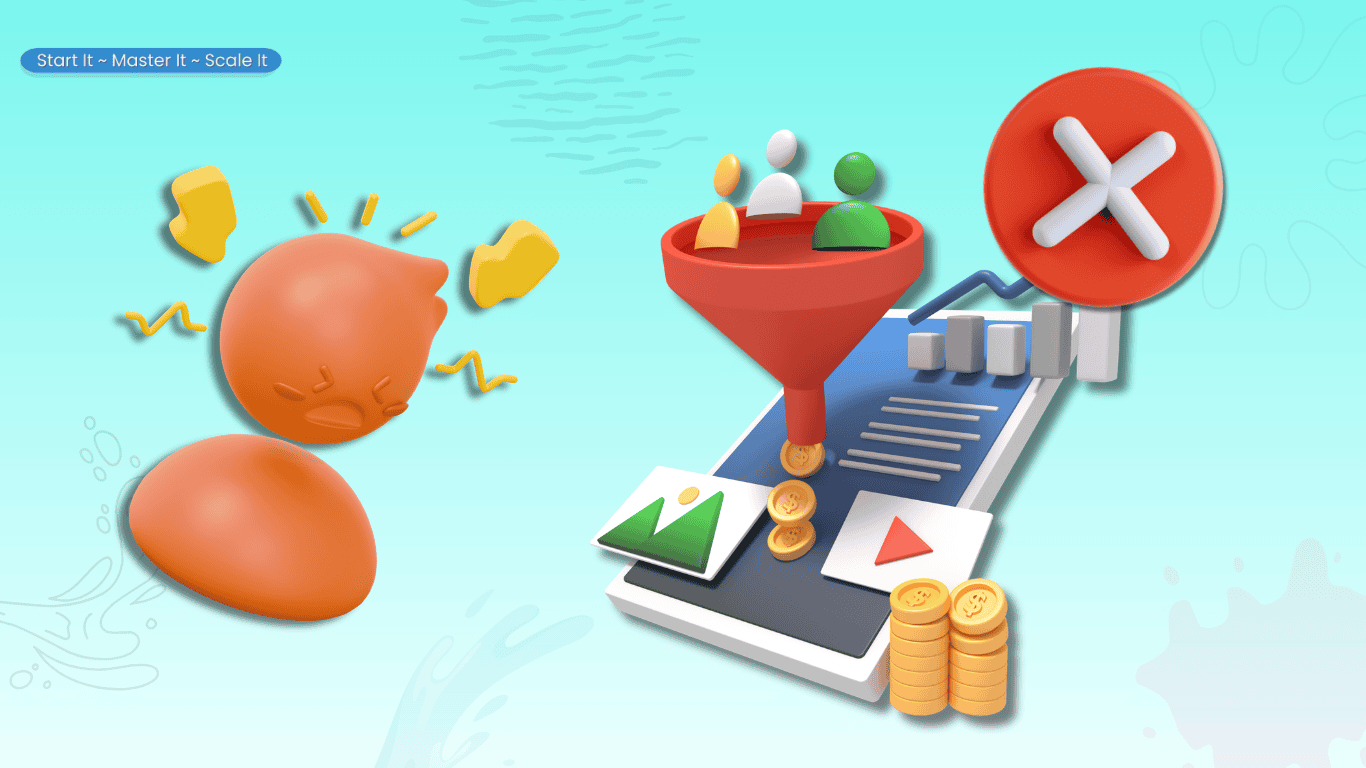
A common mistake is using broadcasts before creating a welcome path.
This can make new subscribers feel lost.
Imagine joining a list today and the first email you receive is:
“Here is what I learned in week six of my funnel setup.”
That might be useful to existing readers, but confusing to someone brand new.
They may think:
That is why a short email sequence can be so helpful.
It gives new subscribers context before they join the ongoing conversation.
You do not need a complicated setup.
A clean beginner system could be:
1. Lead magnet or free workbook
Someone signs up for a useful resource.
2. Email sequence
They receive the resource and a few helpful follow-up emails.
3. Main newsletter tag or list
After the sequence, they become part of your wider email audience.
4. Broadcasts
They receive your regular helpful updates, blog posts, lessons, and recommendations.
That is a simple email system.
Not perfect.
Not advanced.
But clear.
Most email platforms allow you to send broadcasts and build sequences, although they may use slightly different names.
For MMO Essentials, I use Systeme.io because it lets me organise contacts with tags, send campaigns, create workflows, and send broadcasts from one place.
Some tool links I share may be affiliate links, which means I may earn a commission if you choose to use them, at no extra cost to you. I only mention tools when they naturally support the system or lesson I am explaining.
At MMO Essentials, my method is:
SMS: Start It → Master It → Scale It
Start It with one simple welcome sequence.
Master It by sending helpful broadcasts consistently.
Scale It only when your email system feels clear and manageable.
You do not need to automate everything at once.
Start with the part that helps your reader most.
Then build from there.
🚫 Sending broadcasts before welcoming new subscribers
A short welcome sequence gives people context.
🚫 Making every broadcast a promotion
Useful updates build more trust than constant selling.
🚫 Creating a long sequence with no clear purpose
Each email should help the reader move one step forward.
🚫 Forgetting why someone joined
Your first emails should connect to the resource they requested.
🚫 Trying to sound too polished
Helpful and human beats perfect and robotic.
So, broadcast vs email sequence — what is the difference?
A broadcast is a one-time email sent at a specific moment.
An email sequence is a planned series of emails sent in order, usually after someone takes an action.
You do not have to choose one forever.
You need both, but for different reasons.
A sequence helps new subscribers feel welcomed and guided.
Broadcasts help you stay connected over time.
Together, they create a simple email rhythm:
That is how email marketing starts to feel less overwhelming and much more human.
If you are still learning how email lists, lead magnets, sequences, and broadcasts fit together, start with the main guide here:
👉 How to Build an Email List as a Beginner Without Tech Overwhelm
You may also find these beginner guides helpful:
👉 What Is an Email List? A Beginner-Friendly Explanation
👉 What Is a Lead Magnet? A Simple Guide for Beginners
👉 What Happens After Someone Joins Your Email List?
👉 What Is an Email Sequence? A Beginner-Friendly Guide
And if you want a workbook to help you plan your first simple email foundation, download The Email Foundation Starter Guide.
Inside, you will find the simple email foundation map, lead magnet planning prompts, a sign-up path planner, welcome email planner, and 7-day starter action plan.

[…] 👉 What Is an Email List? A Beginner-Friendly Explanation]👉 What Is a Lead Magnet? A Simple Guide for Beginners👉 What Happens After Someone Joins Your Email List?👉 What Is an Email Sequence? A Beginner-Friendly Guide👉Broadcast vs Email Sequence: What Is the Difference? […]